UN Tech Over Hack-A-Thon
This Hack-A-Thon will offer a space for a collaborative innovation sprint where participants use open source tools and artificial intelligence to rapidly build solutions addressing global challenges aligned with UN goals.
Hack-A-Thon Programme
The Hack-A-Thon will launch on 19 June in a hybrid format, combining in-person collaboration with remote development over several days, and concluding with final pitches at the United Nations Headquarters.
In-Person Launch

19 June | 09:00 – 17:00

Hosted by Amazon Web Services (AWS) JFK 27, 12 W 39th St, New York, NY 10018
The Hack-A-Thon begins with an in-person launch bringing together all participating teams.
The day will include:
• Team formation
• Challenge introductions
• Initial collaboration and ideation sessions
Workspace & Mentorship
20 June | 10:00 – 16:00
UNICEF House (Danny Kaye Centre) 3 UN Plaza, 44th Street between 1st & 2nd Avenues, Manhattan, NY 10016
Teams will continue developing their solutions in dedicated workspaces, with mentors available throughout the day to provide guidance and feedback.
Participants are encouraged to bring their own food and beverages.
Remote Collaboration
21 June | All day (remote)
Teams will continue building their solutions remotely. Mentors will remain available online to support progress and answer questions.
Final Pitch at United Nations Headquarters
22 June | From 09:00
ECOSOC Chamber, United Nations Headquarters, New York
Teams will present their final solutions at the United Nations Headquarters.
The day will include:
• A dedicated workshop on effective pitch delivery.
• Final presentations in front of a panel of high-level judges.
• Networking opportunities with peers, mentors, and guests from across the ecosystem.
Opening Remarks on June 22 will be delivered by:
• Thomas Jarzombek, Parliamentary State Secretary to the Federal Minister for Digital Transformation and Government Modernisation, Federal Republic of Germany.
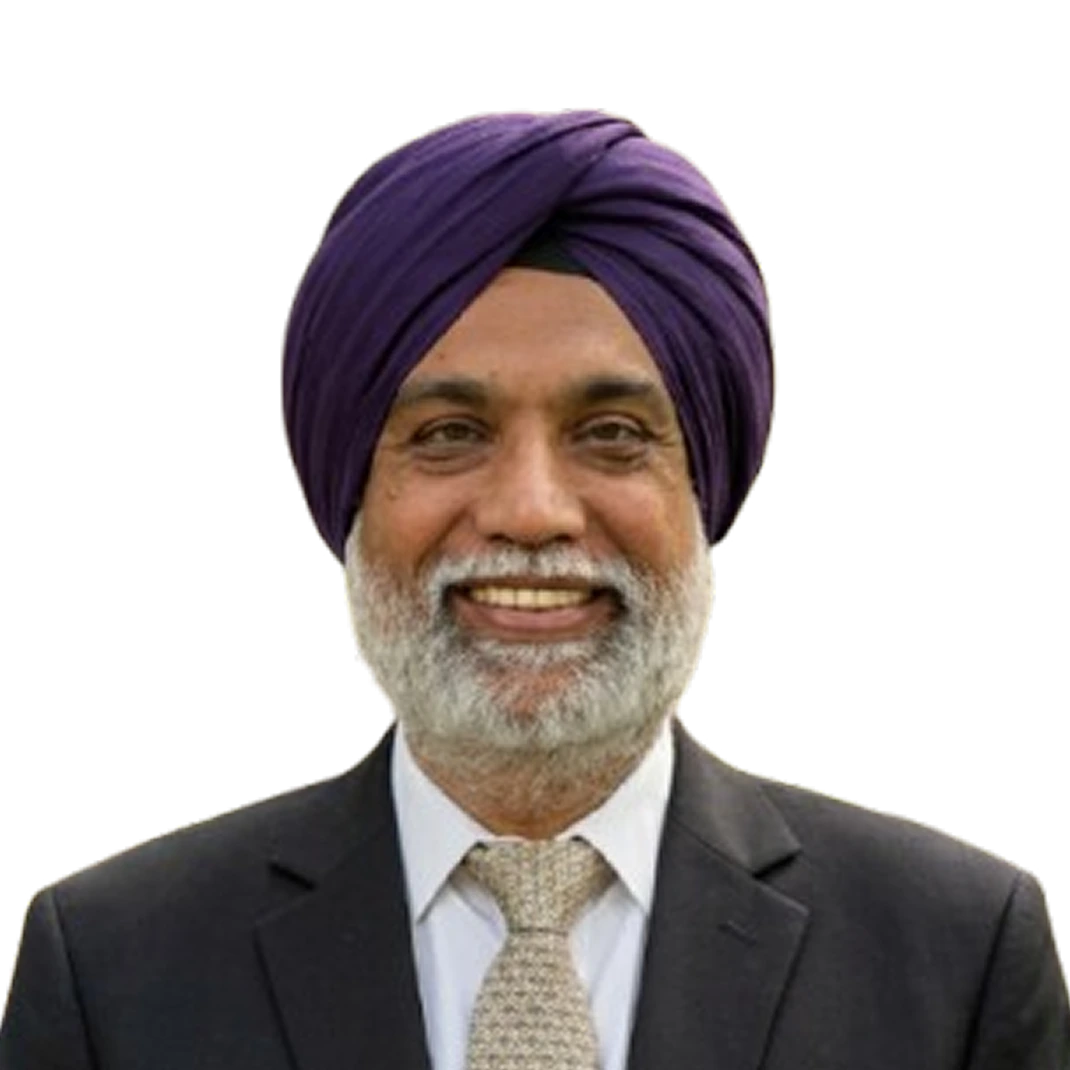
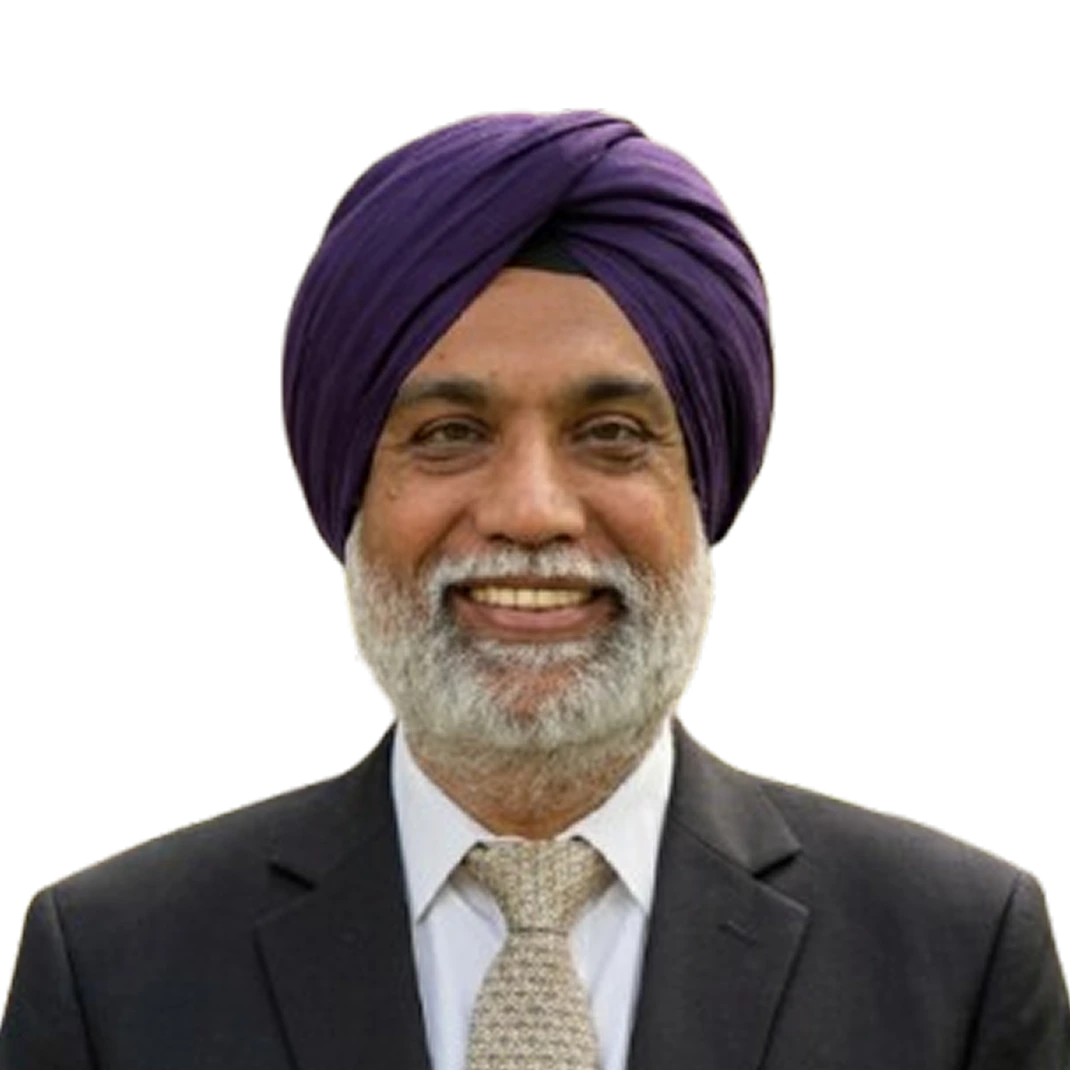
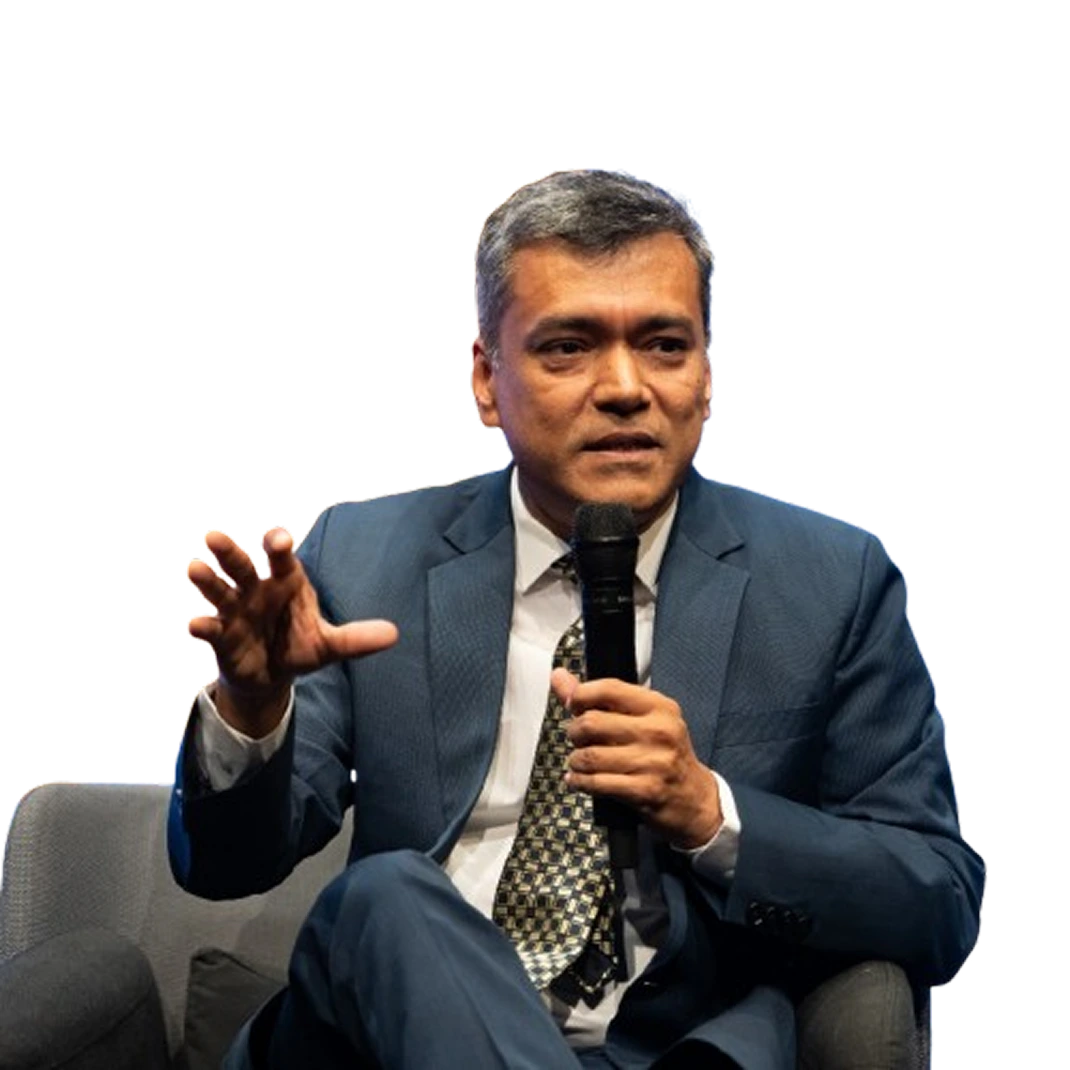
• Amandeep Singh Gill, Under-Secretary-General and Special Envoy for Digital and Emerging Technologies.
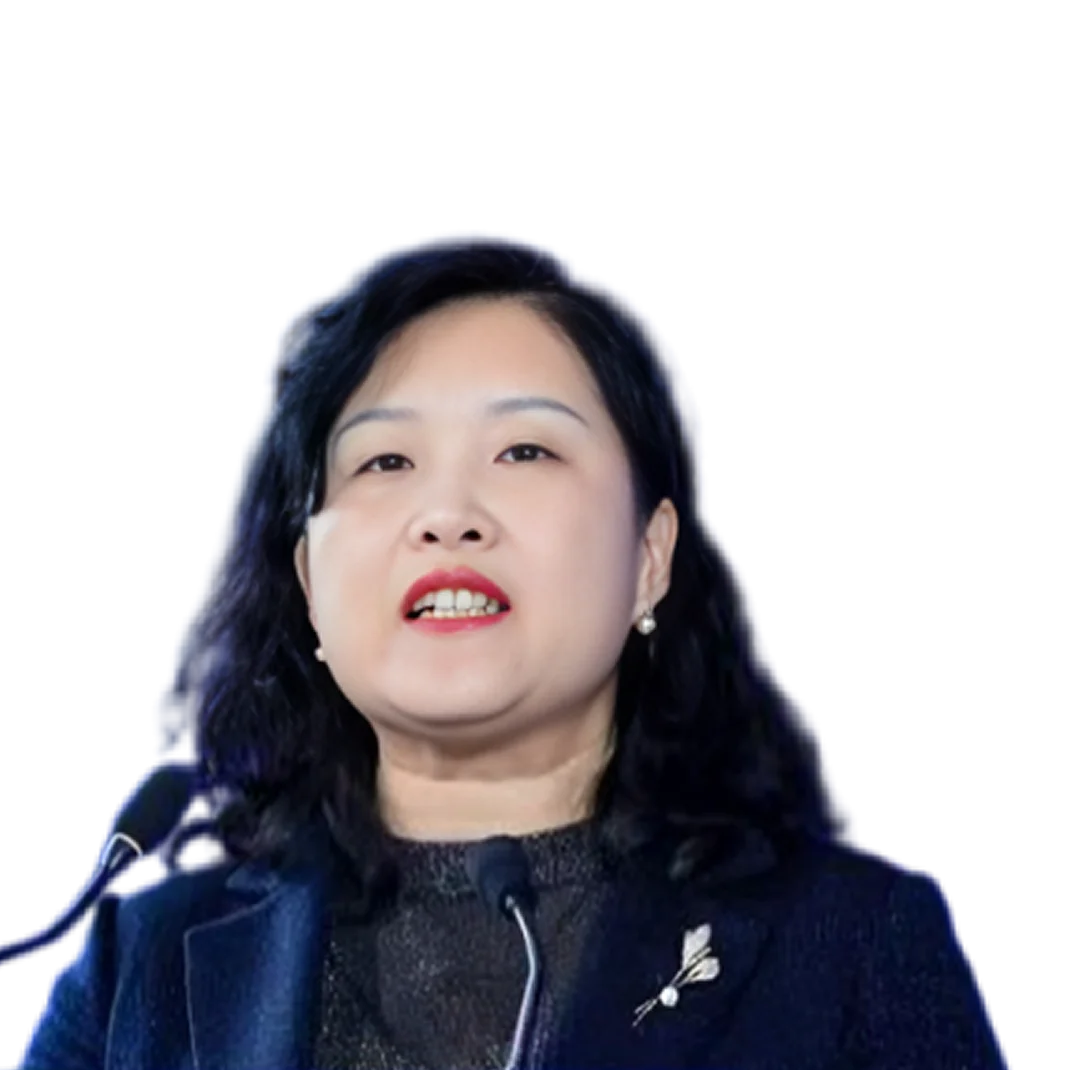
• Prof. Tshilidzi Marwala, Rector of the United Nations University (UNU), Under-Secretary-General of the United Nations.
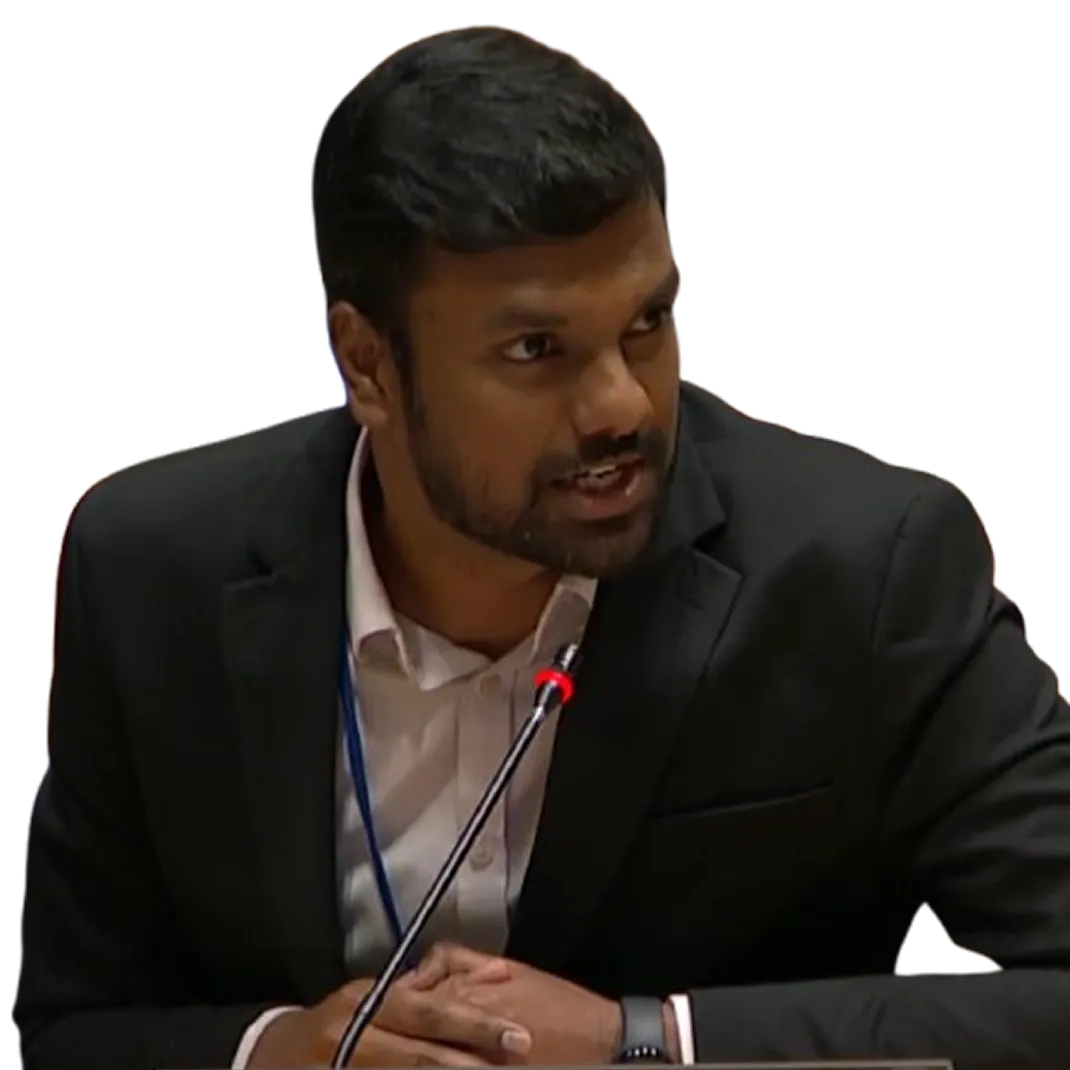
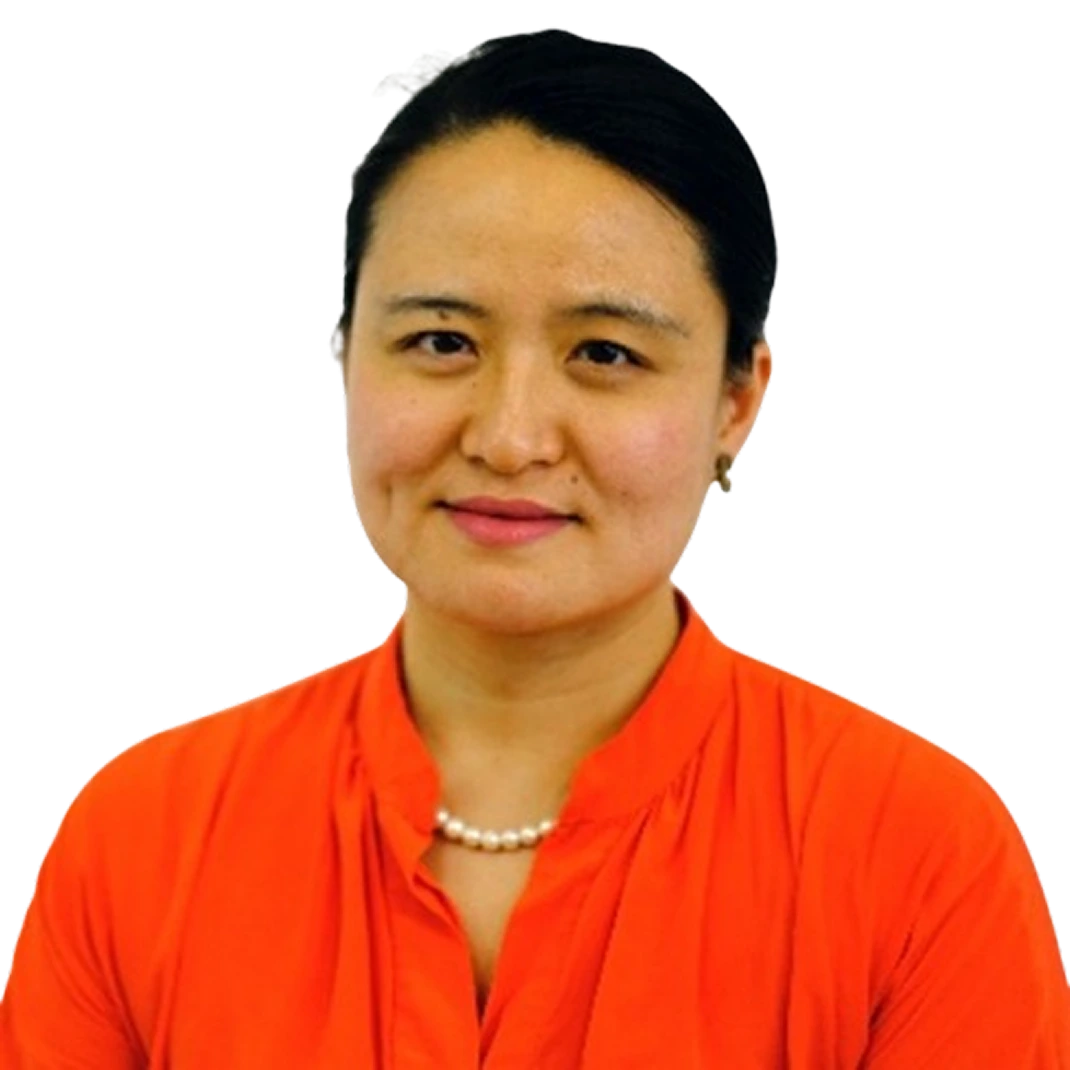
• Mandeep O’Brien, Global Director, Public Partnerships, UNICEF.
Challenge 1: Safety, Supervision, and Governance in the Agentic World

Session led by:
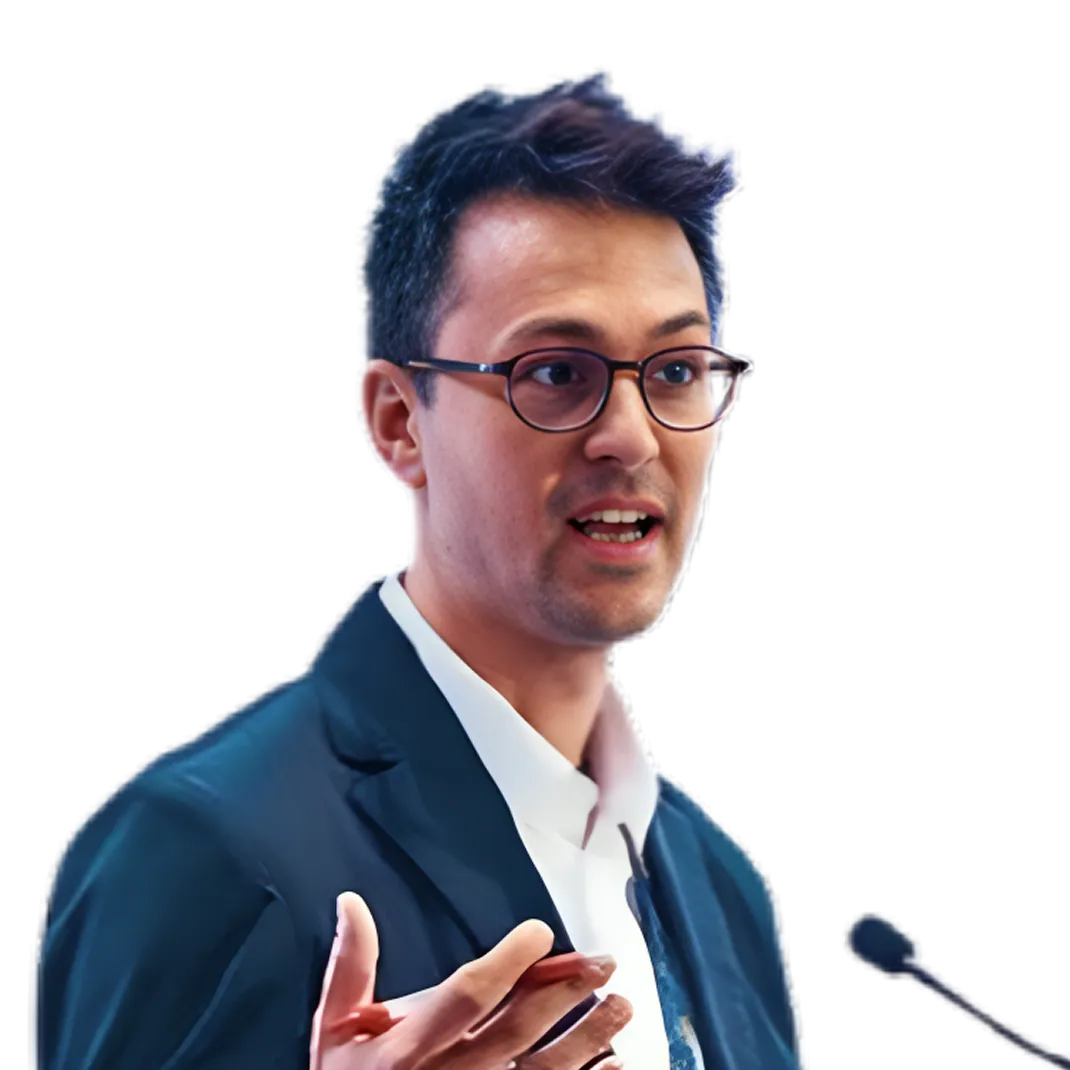
Safety, Supervision and Governance in the Agentic World will be a challenge developed by AESIA (the Spanish Agency for the Supervision of Artificial Intelligence) and the Spanish Open Source AI Community, led by the Ministry for Digital and Civil Service Transformation of Spain. The aim of the challenge is to navigate the delicate balance required for responsible AI across its various dimensions as these considerations arise throughout development.
This challenge will call for expertise in the following areas:
• AI agent and software development (Python, open source agent frameworks)
• Fairness, privacy, and cybersecurity analysis in machine learning
• AI governance, human supervision, and auditability tools
Challenge 2: From Data to Action: Building Next Generation Evidence
Session led by:
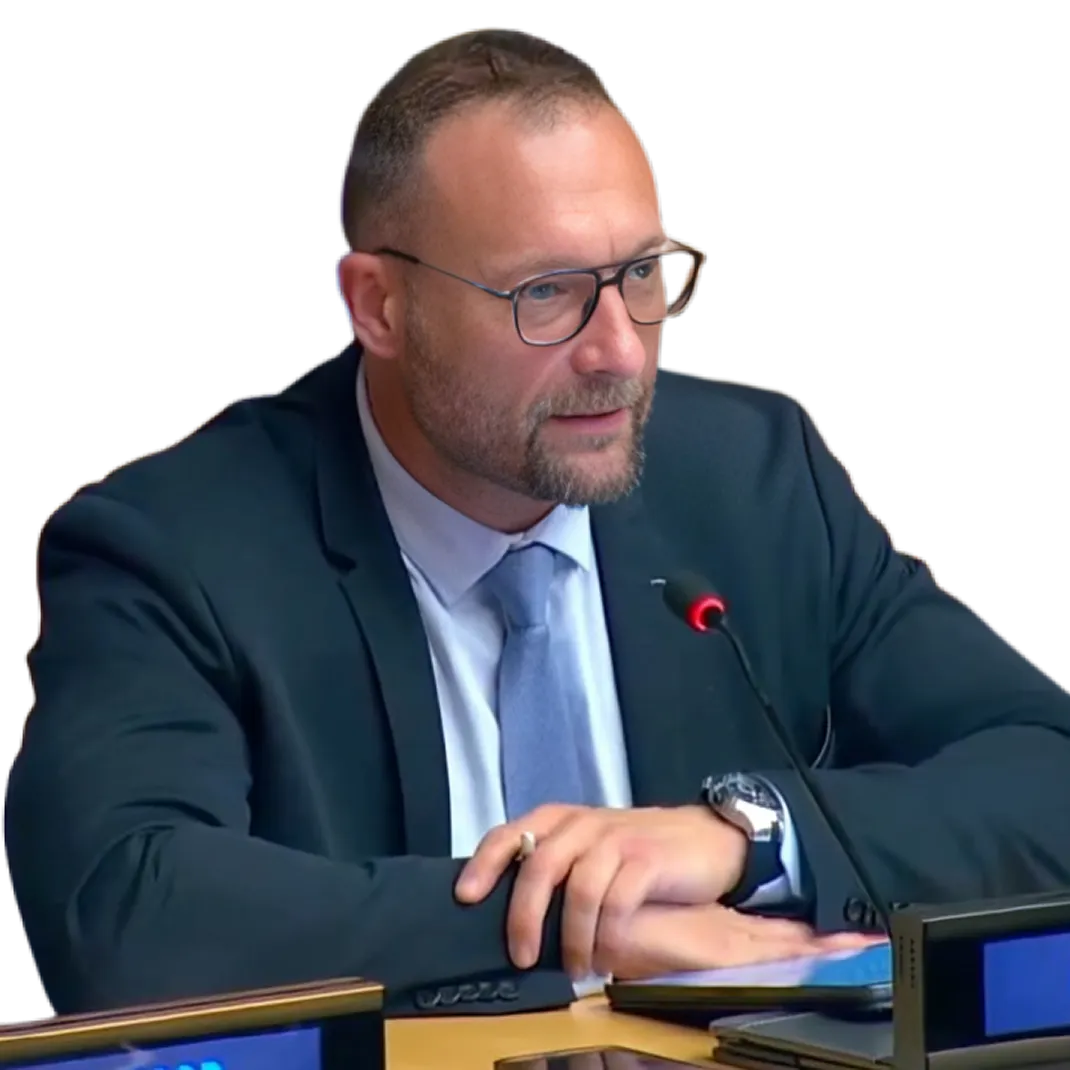
How can we transform the world’s most valuable public data into tools that drive decisions for the Sustainable Development Goals and other pressing poly-crises?
This hackathon invites participants to build decision-ready data products using the UN system’s emerging Data Commons: a breakthrough knowledge graph platform with both MCP and SDMX API support that will host all the UN system’s public development-focused data and statistics in one place. Participants will create tools to turn diverse, real-world datasets into actionable evidence for humanitarian response, public policy, and development planning.
Working across an ecosystem of data, from the Data Commons to other publicly available sources from administrative data to frontier sources such as satellite imagery, climate risk models, and more, teams will design solutions that move beyond static dashboards toward dynamic, Agentic, decision-support systems.
This challenge will call for expertise in the following areas, depending on desired level of technical depth:
• Data visualization — Turning complex information into clear, accessible visuals and dashboards.
• AI‑powered applications — Building agentic systems that reason across interoperable data sources using APIs and emerging interfaces like MCPs.
• Multi‑agent orchestration — Coordinating multiple agents and data streams to produce real‑time insights.




.webp)








.webp)





















































































































































.webp)